


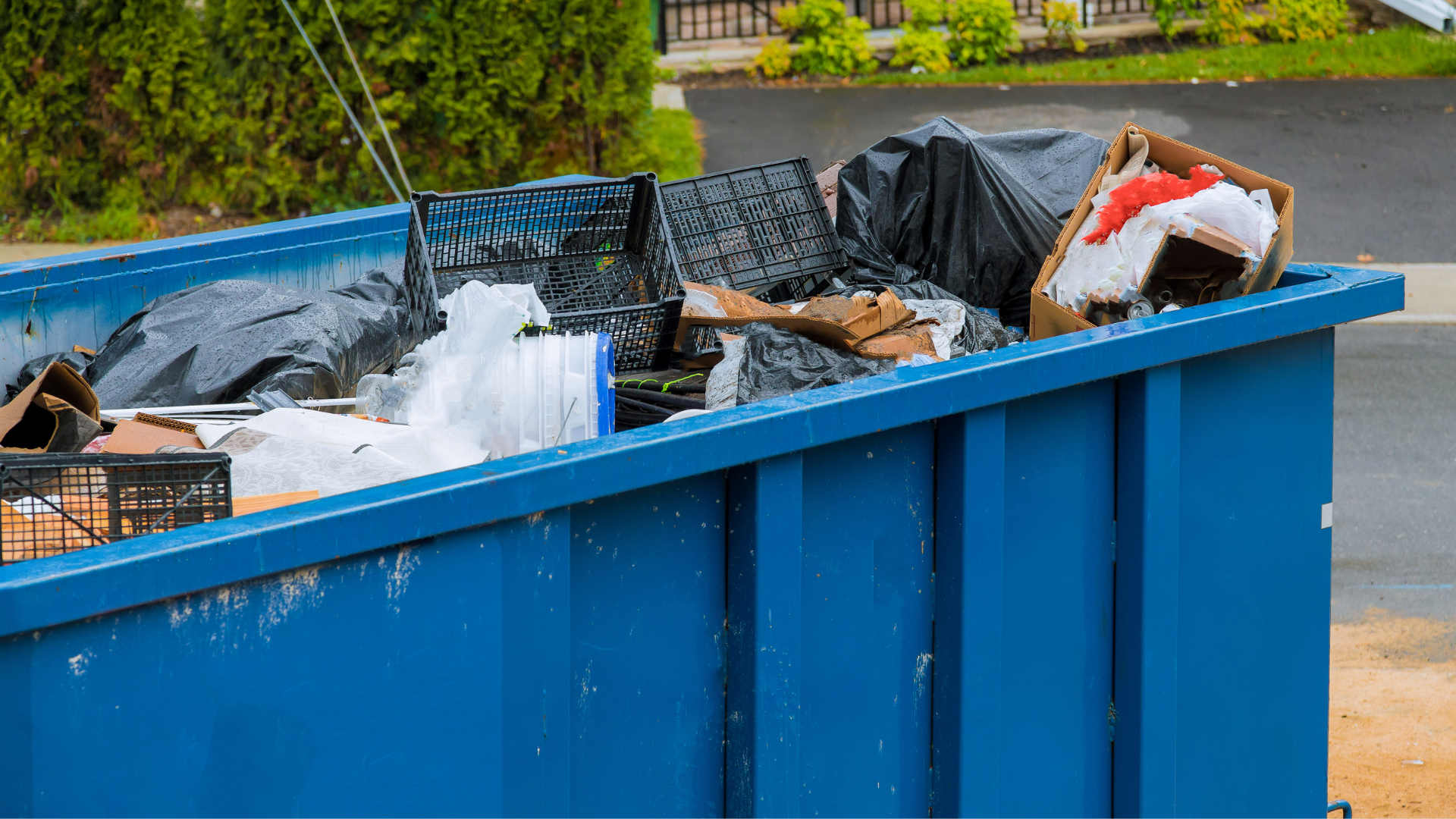
You've been there. You show up to pull a container and you're staring at a propane tank, three tires, and what looks suspiciously like a can of paint just sitting on top of the load. Now you've got a problem that could’ve been avoided.
Contamination fees, rejected loads, and refused pickups don't come out of nowhere. Most of the time, they come from customers who genuinely didn't know any better. Nobody told them. And when nobody tells them, you end up paying for it, whether it is in time, in fees, or in the headache of sorting it out on the side of the road.
This is the guide you can share with customers before the dumpster even hits their driveway. Keep it. Send it. Text it. Tape it to the container if you have to. The more they know going in, the less you deal with on the back end. (Don't take our word for it, here's how WasteBox fixed exactly that problem.)
First, the stuff that's almost always fine
Let's start positive. Most of what people are throwing away during a cleanout or renovation is totally acceptable in a standard roll off dumpster:
- Household junk and furniture (couches, tables, dressers)
- Construction debris like drywall, lumber, flooring, and roofing shingles
- Yard waste, branches, brush, grass clippings (check local rules)
- Appliances like washers, dryers, and dishwashers (freon-free)
- Cardboard, packaging, and general trash
- Dirt and concrete (just watch the weight, this stuff gets heavy fast)
- Metal scraps, pipes, and fencing
- Carpeting and padding
If it came out of a renovation, a garage, or a regular home cleanout, it's probably fine. The trouble starts when customers try to toss the stuff from the back of the garage that's been sitting there for fifteen years like those mysterious cans you can’t clearly identify, the old car parts, the leftover chemicals from a project you never finished.
The no-go list: what cannot go in a dumpster
These items get haulers in trouble at the landfill, or worse, on the road. Here's the rundown:
Hazardous liquids and chemicals Motor oil, antifreeze, gasoline, paint thinner, pesticides, solvents, and cleaning chemicals are all off the table. They're flammable, they contaminate soil, and most landfills flat-out refuse them. Even a single can of used motor oil can trigger a contamination surcharge or a rejected load.
Paints Oil-based paint is always a no. Latex paint is sometimes okay if it's fully dried and solidified, but most haulers and landfills won't accept it liquid. When in doubt, leave it out.
Propane tanks and pressurized containers Even "empty" propane tanks still have residual gas. They're a fire hazard on the truck and at the facility. No exceptions here.
Batteries Car batteries, lithium batteries (including laptop and power tool batteries), boat batteries, all prohibited. Alkaline AA/AAA batteries are generally fine in small amounts, but anything with lithium or lead-acid needs to go somewhere else.
Tires Tires are banned at most landfills because they trap gases and damage equipment. Some haulers can handle them for an extra fee with a specialty disposal, but they're never standard.
Electronics (e-waste) TVs, computers, monitors, and other electronics are restricted or prohibited in most states. E-waste has to go through specific recycling programs. A couple of old phones probably won't cause issues, but a truckload of old office equipment is a different story.
Appliances with refrigerants Refrigerators, freezers, window AC units, and dehumidifiers contain freon, which requires certified removal before disposal. The fridge from the kitchen? Needs to be de-gassed first. Most scrap metal recyclers will handle this.
Asbestos and contaminated materials Anything suspected of containing asbestos, old floor tiles, insulation, ceiling tiles from pre-1980s buildings, needs certified handling and disposal. This is not a landfill item under any circumstances.
Medical waste and sharps Needles, syringes, medications, and anything biologically contaminated cannot go in a standard dumpster.
Hot water heaters Some landfills accept them, some don't. Check with your local facility before loading one up, they can trap landfill gases and cause problems.
The gray area items (ask first)
Some items aren't a flat-out no, but they depend on your local landfill rules, the state you're in, and sometimes even the specific facility you haul to. These are worth a quick conversation with customers before drop-off:
- Mattresses — accepted in many areas, but some facilities charge extra or have limits
- Televisions — state-by-state e-waste laws vary a lot
- Large amounts of dirt or concrete — usually fine, but weight limits apply and overage fees add up fast
- Yard waste — some areas require separate disposal or composting
- Food waste — attracts pests and is often prohibited from roll off containers
Call before tossing! That one phone call saves everyone a headache.
📋 Quick reference: cut this out and send it to your customers
This list is made to be copied, screenshotted, or pasted into a text. Put it in your booking confirmation, your intake form, or your customer welcome message. The fewer surprises at pickup, the better.
✅ YES — These are fine in most dumpsters:
- Household furniture and junk
- Renovation debris (drywall, lumber, flooring, shingles)
- Yard waste (branches, grass, brush)
- Metal scraps and appliances (freon-free)
- Cardboard and general trash
- Carpet and padding
- Clean dirt and concrete (watch the weight)
🚫 NO — Keep these out:
- Motor oil, gasoline, antifreeze, or any fuel
- Paint (especially oil-based)
- Propane tanks or pressurized containers
- Car batteries or lithium batteries
- Tires
- Electronics (TVs, computers, monitors)
- Refrigerators, freezers, or AC units (contain freon)
- Asbestos or suspected hazardous building materials
- Medical waste, needles, or medications
❓ CALL FIRST — Rules vary by location:
- Mattresses
- Hot water heaters
- Large volumes of dirt or concrete
- Yard waste
- Food waste
Not sure? Just ask your hauler before you load it. A quick call beats a contamination fee every time.
Why this matters for your operation, and how DSQ Hauler helps
This isn't just about avoiding fines, though that's a big part of it. When customers toss prohibited items, you end up with rejected loads at the gate and failed trip fees.
The haulers who run the tightest ships get ahead of the problem before the container even leaves the yard. That means setting clear expectations at booking, whether that is in an automated confirmation email, a pre-delivery text, or a message sent the moment an order hits the system.
That's exactly what DSQ Hauler is built to do. It's roll off software made specifically for dumpster rental, and it handles the communication piece automatically, so you don't have to think about it.
Here's what you get with DSQ Hauler:
- Two-way text messaging — talk to customers directly through the app. When someone texts asking if they can throw in a water heater, you can answer fast and keep it on record.
- Drag-and-drop dispatch — add deliveries, swaps, and pickups in under 30 seconds. Assign drivers, see live status updates, and manage your whole day from a map, list, or board view.
- Real-time container tracking — always know where your bins are and which ones are available. No more guessing, no more double-booked drops.
- Driver GPS and mobile app — drivers update job statuses, attach photos, and share their live location. You see everything in real time.
- QuickBooks Online integration — invoicing runs automatically so you get paid faster without the manual data entry.
All of it for $99/month. Unlimited drivers. No setup fees. No long-term contracts.
And if you want to kick the tires before committing: DSQ Hauler offers a free 14-day trial, no credit card required. Start your free trial today.
%20(1).png)
