

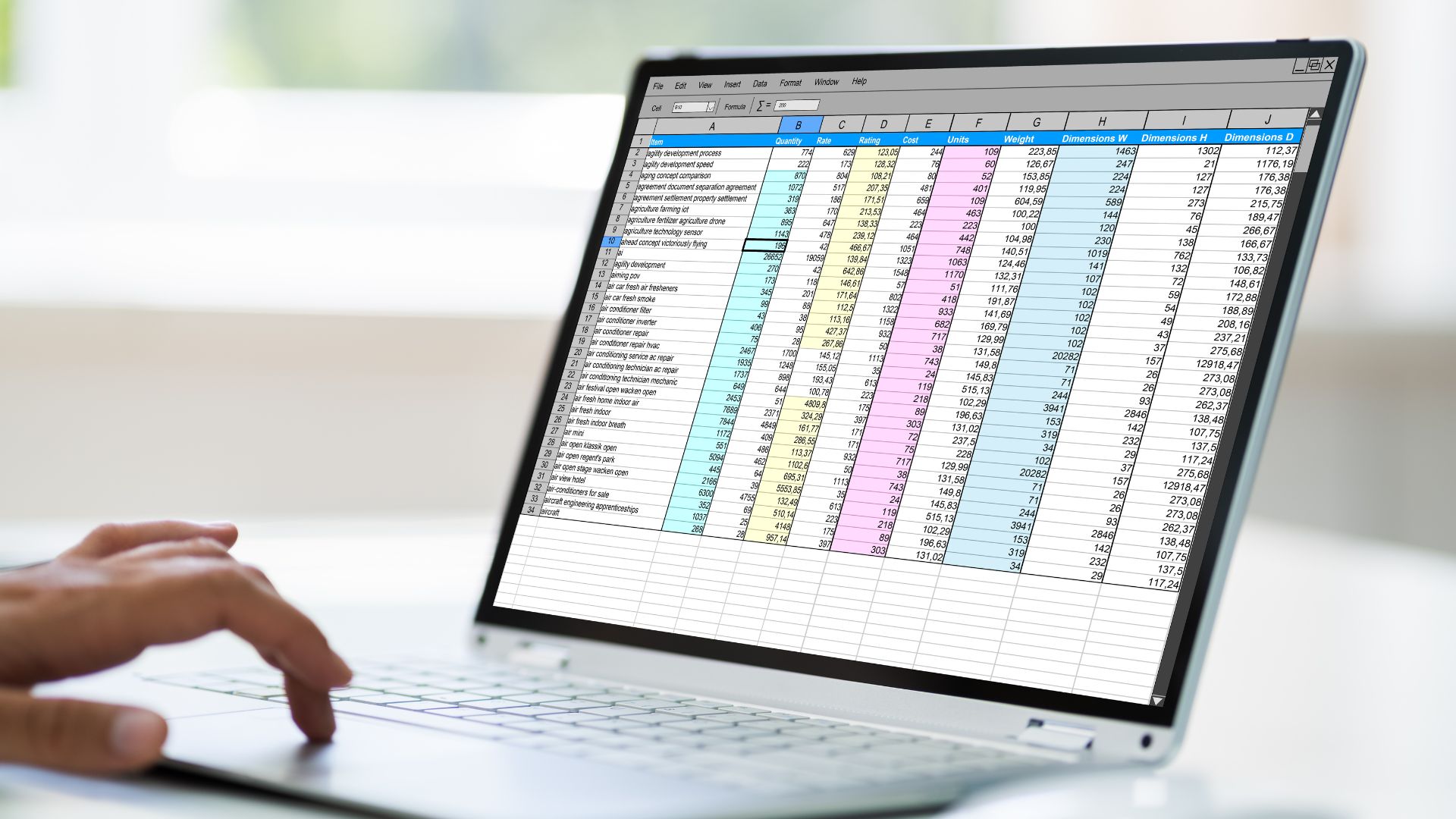
Spreadsheets are a perfectly reasonable place to start. When you're managing a handful of locations or a small invoice volume, a well-built sheet gets the job done. The problems begin when volume grows.
Add 20 more locations. Bring on a new service line. Hire two more people who now maintain their own versions of the same file. Instead of working the spreadsheet you already know and love, you're reconciling three (and not sure which one is right).
This is where homegrown systems start costing more than they save.
What Breaks at Scale
Spreadsheets are static by nature. Every pickup, every rate change, every accessorial fee has to be entered, updated, and tracked manually. That's manageable at low volume. At high volume, it's a full-time job, and still error-prone.
A few things that start slipping when waste operations grow beyond what a spreadsheet can hold:
Invoice discrepancies go undetected. When invoices aren't automatically validated against contract terms, overcharges sit unchallenged in the data. Fuel surcharge caps get exceeded. CPI increases get applied to the wrong service lines. Nobody catches it until someone pulls the thread.
Reporting becomes a project. Leadership wants a portfolio-wide view of hauling costs. That means someone has to export data, build a pivot table, chase down missing entries, and hope the numbers add up.
Tribal knowledge becomes the system. When one person owns the spreadsheet logic, the operation is only as stable as their tenure. If they leave, go on leave, or simply get busy, the process stalls.
What Purpose-Built Waste Management Software Actually Changes
DSQ Discovery was built around the way waste operations run: multi-location, multi-vendor, high invoice volume, and audit-heavy. Invoice processing automation handles the repetitive validation work that spreadsheets require a human to do. Contracts are tied directly to billing, so discrepancies are flagged before payment. Reporting is embedded, not assembled after the fact.
Have your operations outgrown your systems?
If your team is spending a meaningful amount of time maintaining a spreadsheet rather than using it, that's the signal.
See how DSQ Discovery handles invoice auditing and portfolio management. Demo here!