Strong Straps & Startup Grit with Blazer Brand
April 28, 2026

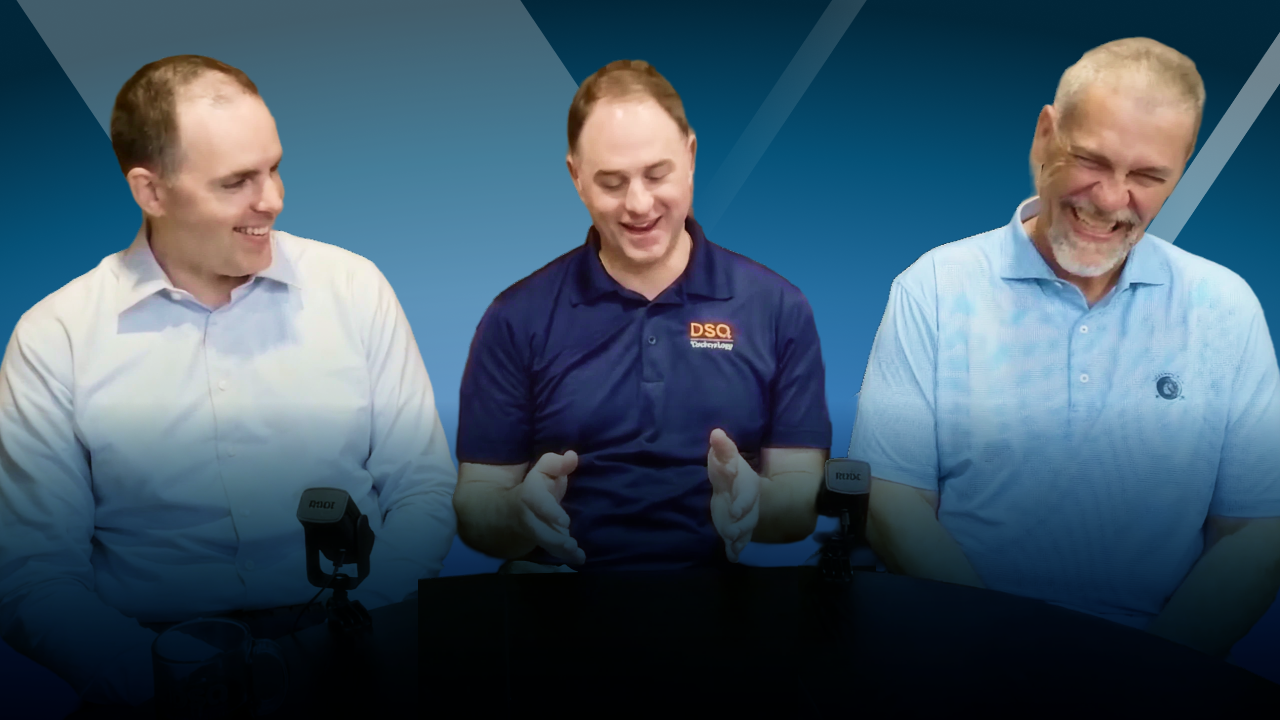
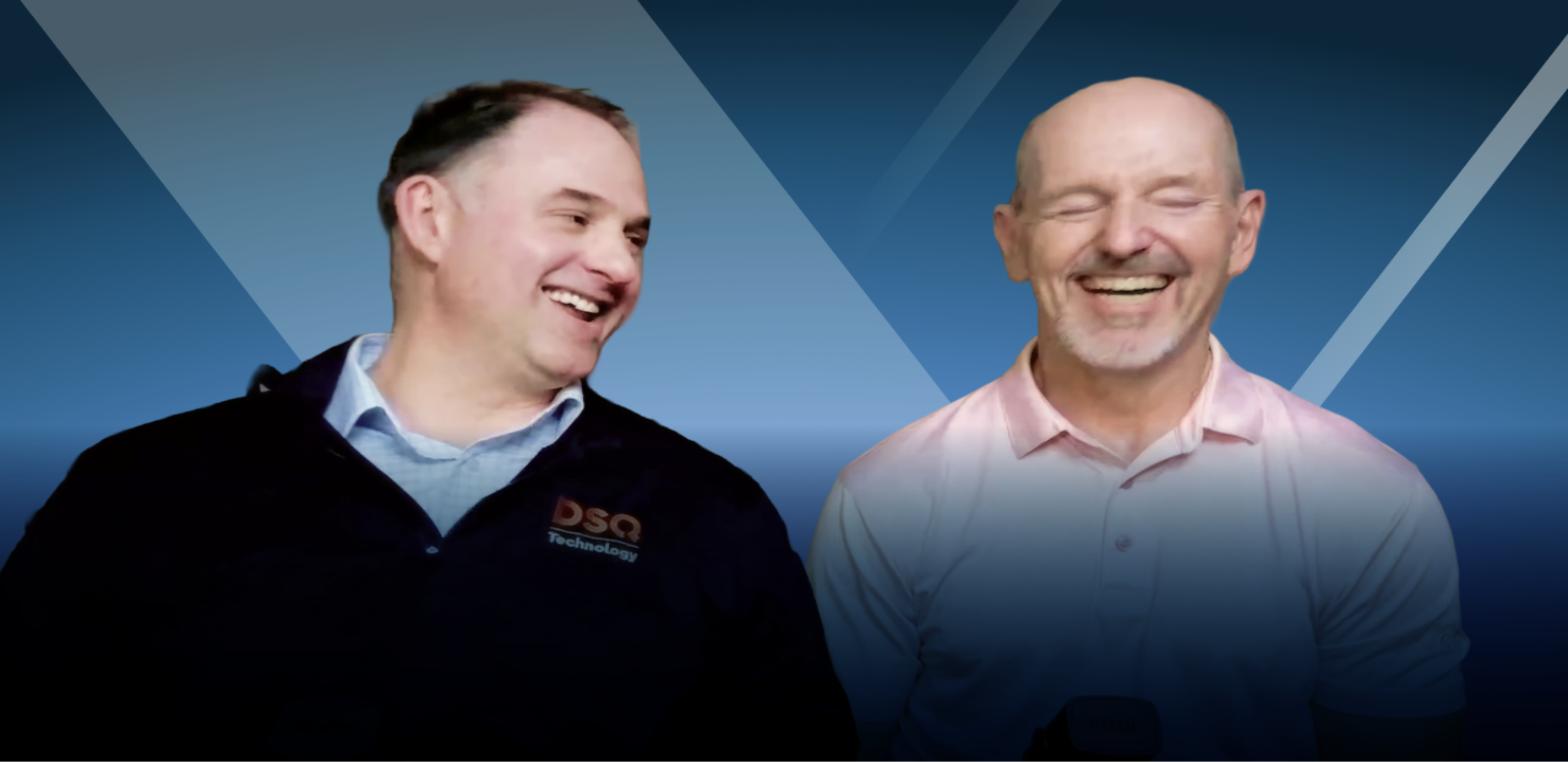
In Episode 6 of the Waste Nexus podcast, hosts Brian and Charlie Dolan sit down with Justin and Quentin Blazer, two brothers from Pittsburgh who turned their late father's idea into a real product on the shelves of Ace Hardware stores nationwide. Blazer Brand makes the Strong Strap, a lid-locking bungee latch for outdoor waste containers, and they've spent nearly a decade figuring out injection molding, US-based manufacturing, and how to get haulers to care.
The conversation covers everything from the raccoon that started it all, to the new auto-release notch that finally makes the product viable for residential collection routes. They get into the hard parts of building a physical product — finding manufacturers willing to work at entry-level volumes, engineering a self-tapping bolt that didn't cost $10 a unit, and surviving COVID-era supply chain chaos by moving production entirely to the US.
A fun, grounded conversation amongst brothers about entrepreneurship and Pittsburgh pride.
SPEAKER_01 0:00The main thing with callers has been the efficiency aspect of it, which is does a guy need to get out of a truck in order to unlock or make this so that it can be emptied with the automated arms.SPEAKER_03 0:13
And when the answer to that was yes, that was kind of where our conversation stopped with a lot of it.
SPEAKER_01 0:18
Right. And it makes sense because if you put yourself in the position of one of the drivers, you don't want to be hopping in and out of the truck.
SPEAKER_03 0:25
Especially like if you're seated on the opposite side, like so you're a left-hand driver and you have to walk all the way around. There's some trucks I'm like, we can make it work. Like when you're the standard on the right hand side driver. But yeah, no, it was always something that we were like, we understand.
SPEAKER_02 0:47
So welcome back to the Waste Nexus podcast. Uh, if you haven't signed up to get these online or on whatever your favorite audio devices, please do that. There's probably a link somewhere. I don't know if we're supposed to point at it. Um, but we also have our event coming up this fall, which you can apply to join. Charlie will be there, probably. Probably. I'll be there. So that's a fun thing. Right now, today, we have a little bit more fun thing. We have an all-pittsburgh podcast and two sets of brothers. And two sets of brothers, yes. Uh, so today we have the Blazer brands with us, which is Justin and Quentin. Uh, guys, do you want to introduce yourself? I'm Quentin.
SPEAKER_03 1:28
Yes, and I'm Justin. So, do you want us to get full into Blazer brand?
SPEAKER_02 1:33
We'll get there, we'll get there. I was gonna say my my I my understanding is this was born out of um your father passed away, and you guys were mulling over how do we honor dad? And pretty correct, dad, dad. I saw some pictures. Dad had some I see where the logo came from, right?
SPEAKER_01 1:52
There was some it was based off of his flexing arm, yeah, yeah, yeah.
SPEAKER_02 1:56
Yeah, there was some pythons on the guy. Uh that's Ken. Yes, yes, yes, and he passed what, 2013? Yeah, yeah. And so you guys were teenagers? I was you were freshman, yeah. You were you were 18.
SPEAKER_01 2:10
Yeah, so I was senior in high school, and Jessie's a freshman in college.
SPEAKER_02 2:15
Yeah, and that's hard, that's an unexpected thing. So I could see where that shapes life in a meaningful way. Um, where what was the walk us through a little bit of that that germination of that idea of how that came around?
SPEAKER_03 2:27
So I would say that what I remember, and I'll let him kind of get going, but Quentin walked in one day and we were just kind of searching through life. Well, what are we gonna do from here? And he had brought up our dad's idea of this strap, yep. Um, kind of like the concept of it. And he just I remember him walking in and being like, This is what we should do. And at that point in time, Quentin was fully in, and he just kind of dragged me into it. He's the action-oriented easily actually or action-oriented one of us.
SPEAKER_02 2:57
No, that's that's why he and I get along.
SPEAKER_01 2:58
Yes, I was gonna say we had a raccoon that was just getting into our trash can, I think, for about a week straight, which is what drove me to say, Justin, we should do something about this.
SPEAKER_02 3:09
So, problem plus uh inspiration, a little bit of motivation, yeah. All right, yeah, equals outcome. Okay, so what was the first one you built?
SPEAKER_03 3:18
I saw some little images of wood. So, yeah, the first one we built was pieces of wood and we used brass, like plumbing fixtures, and then we had a like regular bungee cord that I think we taped it together to make it look like it. It was duct tape involved. It was duct tape. Good, good, yes.
SPEAKER_02 3:36
So our wood projects start with some bad duct tape application, right?
SPEAKER_03 3:40
Yes, we did that. Then we um we had gone into a prototyper, which was actually one of our original, like this is this didn't work out. So we spent a lot of money on a prototype that we don't we don't have a picture to show you of. But then after that, I think we just kind of upgraded to 3D printing before we just kind of for the injection mold, we had our design set in what it was, and we just had them cut steel, and from then we've just been rolling with that design.
SPEAKER_01 4:06
I don't think that design's changed much, right? No, I mean we have a new feature on it, which is the automated release, but the core of what we created is still the hockey puck shape thing, hasn't changed much.
SPEAKER_03 4:18
That is the same on the inside. You might there are caps, so they got a little smaller over time. I don't really get much on the inside of them, yeah. Yeah, I d uh, but that would be the only thing that changed, and that was just to you know kind of keep our price. We had some big parts that didn't need to be as big, didn't need to be as big, right? So that but other than that, yeah, it's the same standard product.
SPEAKER_02 4:36
So walk me through. I'm very familiar with like a lock bar and gravity, right? On a front load and all that. Um, and I'm also familiar with raccoons in my trash. And my wife bought uh straps that were not your brand, and my experience with them was they kind of worked, but at service time they just found their way like buried in the trees or something like that. Like they're now lost because I think they got service when we had all this snow this past winter and then they just disappeared. Yeah. And so I guess walk me through mechanically like what happens at the time of pickup, and is the does somebody have to like unlash it and then relash it, or how does that like what's the workflow there?
SPEAKER_03 5:19
So I know that one thing at at pickup for us is ours is attached to the can. Yeah, so big. Yeah, you can't, it's not gonna end up in a bush near or anywhere nearby, and that's a big thing for us, is just keeping it, it's one unit. Um, and then recently, as Quinn mentioned, we have the auto notch that we've added to our strap. So our strap has two settings. One's a full strength, okay, where you're able to stop everything and you keep it behind your house. But when you set it out at the curb, it's a smaller notch. Got it. And that squeezes its way through with about 10 to 15 pounds of waste when it gets dumped and hits that two trash bags in there, it's it's gonna empty. Yes, that's awesome.
SPEAKER_02 5:55
So I I was trying to figure this out because I've read about this auto notch for I don't know, two years now, three years. Yeah, it hit the market last year. Last year, okay. So we've been talking about the auto. Time's less time fungible, which is true. But I've read about it and I always kept how does this work? I never really spent the time to look at it until we scheduled this. And it's it is actually it's such a subtle feature, yeah, because it's not a big like the normal thing's whatever this wide, and that little auto notch is just a you know what, a half inch. It's an eighth of one.
SPEAKER_03 6:26
I mean, yeah, there's like it's about an eighth of an inch on each side, right? So it's yeah, it's a very small that just like kind of just hangs on whenever the can falls over, but yeah, it doesn't nothing as strong as those big ones, yeah.
SPEAKER_02 6:38
The big one, so my eight-year-old can hook up the big one, and it's so funny to watch her because she will put the full into it and just like lean down into it, and it goes poop right in. It's just like box away. Just accomplished, yeah. Walks away, loves it. It's great that way. Well, so when you were doing the modeling, one of the things I read about was you ran into some challenges with suppliers and durability. So tell us a little bit about that because you know, everybody likes the idea of creating their own product, but not everybody talks about all the hardware. Hardware is hard.
SPEAKER_03 7:10
Yeah, hardware is hard. I would say one of the first accomplishments would have been working with our finding finding somebody to make it here. So the all the parts are made in the USA. Yes. Um, so finding somebody that was had a, I guess, a line for entry level, as opposed to like, hey, you have to spend five hundred thousand dollars right on a hundred thousand units, right?
SPEAKER_02 7:33
Yes, right.
SPEAKER_03 7:33
So that was the big accomplishment. And I think Quentin found our molder that we work with now.
SPEAKER_02 7:39
Um just sheer uh beating the phone to death, yeah, pretty much.
SPEAKER_03 7:44
And I'd say the second big part of it was realizing how much when you do, I guess, this physical product, how you don't just kind of take your plans and your models and hand it to the team at the manufacturer and say, hey, we're good to go. We actually had to work with them to figure out how our molds are gonna work and really get into that.
SPEAKER_02 8:01
So our they probably had some feedback of what if you try this?
SPEAKER_03 8:05
Yeah, they did that and we couldn't right now we have a self-install, so it just drills right into the can, the parts, and that probably took us about a year to figure out to actually engineer to make it. We had we had a solution that could do that, but getting the cost down to something that was reasonable.
SPEAKER_02 8:21
Yeah, I have the older version that is the screw in from the bottom version, yeah, right? Yeah, which is the same thing in a way, but different application.
SPEAKER_01 8:29
Yeah, I think with the screw, that was our first engineering hurdle, yeah, because it really was a staple in the installation process. So we didn't want you taking out hex wrenches, yeah. So we really want no tools, yeah. It's like we didn't want to hear people complain about it.
SPEAKER_02 8:48
Well, it's a it's a it's a hurdle to uh them actually getting it done, yeah, getting it out of the box and getting it on the can, and yeah, right.
SPEAKER_01 8:55
Exactly. And that was for our manufacturer, they're a hundred-year-old plastic injection molder, and so this like how do you guys not know how to do this?
SPEAKER_03 9:06
Yeah, and they were like, Because it's just like every product has its own little thing that it needs.
SPEAKER_01 9:13
So, point is that I had to take a self-tapping screw and force a nut onto it. Yep, that didn't go on it, and then I transferred it to Justin and he conveyed it to the engineering team, and they saw it from a manufacturer's perspective as to how to make that bolt. You have to make the bolt too, yeah. So we tried to do that for all low cost, I think.
SPEAKER_02 9:35
And that's what people don't get, they don't realize that like the idea can exist, but the bolt isn't in there's no bolt. No, you someone has to make this bolt, yeah.
SPEAKER_01 9:44
The initial bolt cost, I think, um, ten dollars. Yeah, or a thousand million, yeah.
SPEAKER_03 9:50
We needed two for our kit, so we were like, we're not this is not gonna work.
SPEAKER_01 9:54
Yeah, so we figured that out. I shear force sometimes is like you just keep racking your brain around the problem you're addressing until you almost see the light.
SPEAKER_02 10:05
So, from where you guys sit in making the product in the USA, the whole tariff uh inflation environment, the change in oil price, all stuff that's insulated you to some degree from the global economic thing that's going on around you, right?
SPEAKER_03 10:21
Yes, I would say absolutely. I mean, you still could find like deep in the supply chain some like whiskey rubber, something you're not like isolated, but yeah, no, um, we've only ever paid tariffs on we get our molds made somewhere in other places, so that's that's where we love. But those have been in place for yeah, almost a decade, I want to say.
SPEAKER_02 10:43
There's there's a friend of mine here in Pittsburgh who runs a uh injection molding company. Um, and he's told me about some of the stuff they go through, and it's it's a fascinating process, yeah. All right, it really is a cool injection molding, it's a really cool process. Um, well, so in your sale process, how did you get from where you started to then you know who came first as the big retailer? You guys were just at a big trade show, right? Yeah, we just uh attended ACE's trade show.
SPEAKER_03 11:10
Yes, so yeah.
SPEAKER_01 11:12
Um, so the first sales were what you guys Amazon, Amazon, Amazon was how we got started. It's what allowed us to prove that there was a market for this type of thing. Um we got in with Lowe's was our first big brand that we got in with, but we're not in stores with them, so it was just on the web page, yeah. So that was like a introduction into the large distribution network, and ideally you'd be on the post next to the toters at Lowe's, yeah.
SPEAKER_02 11:42
Lowe's if you're paying attention, yeah.
SPEAKER_03 11:44
Well, and I think that's the nice thing with Ace. You'll be able to walk into a good right now. I'm gonna say it's about 220 stores where you will find next to the toter that strap will be on the shelf. Nice.
SPEAKER_02 11:56
Uh there's a there's a friend of mine here in Western PA who has at least owns Ace's. Uh we'll talk about that after. I wonder if they're in his stores because he's a good guy.
SPEAKER_01 12:05
I'm gonna check mine in Oakmont on the way in. Yeah, is it in Oakmont? Um the Oakman one is a little there, there's a secondary company that owns that one. That's what we've been trying to find out who they are. Yeah, I'll go, I'll go put it in the suggestion box. I really wish you had this. We are on the planogram, which is like a standard 1500 to 2000 stores. That's awesome.
SPEAKER_02 12:24
So Ace is a good company. I mean, they do things a little differently, and they don't varies, yeah.
SPEAKER_03 12:29
It's that what at the trade show was it's not big box style, they're different that way. Yeah, because it's like a co-op setup, yeah. So when we were at the trade show, it was interesting, is you get to meet people that are all independent store owners, okay, like for the most part. So a guy will be like, I have three stores, somebody might just have one, and then you're selling to them, and ace is kind of making sure everything runs smoothly.
SPEAKER_02 12:50
When I lived in Big Sky, there was an Ace hardware store, and it was the hardware store in the entire town, and it was the nearest one, it was an hour away, right? And it was a it it did volume. And the carpet, he I asked sometimes, like, why don't you replace the carpet? He's like, You kidding me? Yeah, it's like it's no, it's just like it just gets dirty, it just gets ruined. He goes, This carpet's lasting, I'm sticking with it, right? So that was pretty pretty wild to see. Um, so then one of the things was you mentioned that you uh ran into making stuff in China, right? That was uh a challenge, right?
SPEAKER_03 13:24
So we are our straps, the rubber part, the budget part of the strap was originally made in China. Um, so we had worked with a US company and they were headquartered in Minnesota, but all of their factories were in China. And around COVID, I think uh we went to reorder straps and they gave us, I want to say it was like a six to eight month lead time.
SPEAKER_04 13:45
Yeah.
SPEAKER_03 13:45
And we were we were still kind of you were used to a six-week lead time. Yeah, we were just like younger and we were like, How? And especially when they wanted like deposits for manufacturing, and they wanted to ship all of the straps at once in a container. Like that there was no like, oh, we can ship you can fit a lot of straps on the container, you can fit a lot of straps in the container. Then you're wondering where your loading dock is, and yeah, and you gotta attract do you have? Yeah, and so we ended up saying it. I don't think we just looked at it, we're like, this isn't gonna work for what we need. And so we looked around the US and found a molder in California. Okay, and then they ended up they're still on molders today. Nice. Um, nice, and yeah, we've grown with them.
SPEAKER_02 14:25
So that was that was what's the Vermont piece? You mentioned a Vermont piece, another side of it that goes from that side of the country just to keep the shipping even.
SPEAKER_01 14:32
Uh the Vermont is the plastic parts that go on the top and oh nice. So like they're different materials. So we have a plastic and then a rubber, yeah, and they're manufacturing processes through different worlds, yeah.
SPEAKER_03 14:43
Yeah, and then we kind of bring everything together, package it here in Pittsburgh, yeah. Yes, okay, so we we you see it on shelves in Ace, and then we have a bunch of different ways that this just gets packaged to get out to people. So we've had we have bulk packages for if a hauler would want it, yeah. Um, that we've sent to ones in the past where it's just the parts and a big box.
SPEAKER_02 15:04
Nice.
SPEAKER_03 15:04
Uh or we have it is a topper wear of the parts, yes, and we have two packs, one like singles, and now that as we have these two versions, we're starting to kind of grow a little bit more reality.
SPEAKER_02 15:14
So, do people buy the version? Did you decide to go with just everyone has the auto strap, or there's still there's two versions in a sense?
SPEAKER_03 15:21
So there are two versions because the auto strap is a little bit more complicated to make. Okay, they look like you look so similar, they look extremely similar, but that little notch, like you said, it's very small, it's a pretty precise, like it has to be this wide okay for it to if it's too narrow, it just kind of doesn't work. And if it's too wide, then we're not gonna have that auto release. Yep. So our mold is a little bit a little bit nicer, and so it costs of just a little bit more, so yeah, we keep both of those so you have a price-defense solution, yes, and base will be taking on just the auto, okay.
SPEAKER_01 15:54
So there's not really the option between because auto kind of encompasses the whole market where the just OG one with more manual pure strong strap, yeah.
SPEAKER_02 16:08
Yeah, have you tested how strong the strong strap is in the locked mode? So we've done like which the does the strap outlast the the bin?
SPEAKER_03 16:19
Oh, does the strap we've had a lot of customers who have told us that they've walked out to maybe, especially if they've used it with bears, they've walked out to a locked, still functioning strap, but the bin is broken. Yeah, so yeah, there's a they are built, we made it so it's polycarbonate and EPDM, which are both like very strong outdoor ready materials.
SPEAKER_02 16:39
I I've thought about using one, like you know, when your kid wants to like get out of their room, you want to stay in their room? Yeah. But maybe maybe that won't make sense. We'll see. The uh the chalk, go ahead. So, how has trying to it's geared towards consumers right now, dads, you know, whatever, who are upset as we were talking before this? I saw a raccoon run past my trash can. It drives me nuts that they're in my trash can every once in a while. I think I had one actually, I did. I had one die in my trash can. That was the one. Yeah, that's still our text thread was about. Um that was gross. Uh, but switching from the consumer side, how has it been trying to get adoption maybe with like a municipality or uh, you know, a couple routes with a hauler or something like that? I would say difficult. Yeah, yeah.
SPEAKER_03 17:29
Yeah, especially, I mean, we are still like we had mentioned, the auto release is new this year. Yeah, but historically, it's definitely been something that we haven't had a lot of success convincing haulers to say, hey, let's put these on our cans. And we've I think because of that, we definitely leaned into the consumer side of waste that I feel like the auto part is a huge win because that feels like it changes the work profile from their side.
SPEAKER_02 17:57
Yes, they don't have to worry about this motion anymore.
SPEAKER_01 18:00
It does the complete opposite now that it was intended to do, which the original intention was to keep a lid closed. Yep. And now we have that option to collect it while it's still shut.
SPEAKER_02 18:12
But it still keeps the lid down for that couple hour period.
SPEAKER_03 18:15
Yeah, and then you get to the rest of the time, you get to use the original, right? And that just meets your needs. So it's kind of a balance of like we we started to drift in that direction of okay, we'll we'll see what we can do to make that work.
SPEAKER_02 18:28
Is it still pretty trivial to unlock it if it's in the uh what is the name of it? Auto the auto notch auto mode. In that mode, it's very easy to do with your hand, right? Yeah, it's just as easy. So what I was thinking about in advance of this, in some towns where I've talked to people, they've got you know whatever uh holler they have set up to do the residential pickup, and they don't always tip the containers, they often just hand pick the containers, even though it's a name brand 96-gallon container that could be tipped with a you know an arm or something. And the follow-on from that is that you just get like buildup in the bottom of the container over time, which is super annoying. Um, I don't know, it just seems like a uh a pretty good alignment there between I don't want the raccoon in the bin, I don't want the strap being flung 15 feet away, or like god forbid it hits the driver or something like that. I mean, the thing has 20, 30 pounds of tension in it. And I wanted to tip the bin. So if like, okay, now it's auto, this is this is gonna work great. The only other thing I was thinking about was if um if you looked at trying to do any sort of like tracking or partnering with somebody who does some tracking to see if like your container was actually serviced, because in talking to a bunch of haulers, I know they're usually relying on either GPS and the video video when somebody complains to say they didn't service your house. And you know, there's always he said she said battle uh there. And you know, that might be an a value add for the hauler side if you guys explored that of you know, hey, we tipped your bin because we have a a third skew that has like a uh an NFC or an RFID tag in it.
SPEAKER_03 20:09
It's something that we haven't thought about, yeah, but always open to anything if if it gets a hauler.
SPEAKER_01 20:15
Yeah, I think it's a the main thing with haulers has been the efficiency aspect of it, which is does a guy need to get out of a truck right in order to unlock or make this so that it can be emptied with the automated arms.
SPEAKER_03 20:30
And when the answer to that was yes, that was kind of where our conversation stopped with a lot of like yeah, as it as it naturally would be.
SPEAKER_01 20:38
And it's it's the probably the most, as a hauler, the most valid reason yeah, he doesn't want to go thing a thousand times, right? And it makes sense because if you put yourself in the position of one of the drivers, you don't want to be hopping in and out of the trap.
SPEAKER_03 20:51
No, dangerous, especially like if you're seated on the opposite side, like so you're a left-hand driver and you have to walk all the way around. There's some trucks I'm like, we can make it work, like when you're the standard on the right-hand side driver. But yeah, no, it was always something that we were like, we understand.
SPEAKER_01 21:08
So it was the racking our brain around how can we stick to our original design and still change enough to address that issue. Yeah, so that took us nine years to find out.
SPEAKER_02 21:20
Well, if our if our friend Spencer is out there, he'll he should look at this. Yeah, well, and uh he should, and it's the trash truck I drove in Texas a couple years ago. It's interesting that you mentioned considering where the driver is relative to the truck, because at least in my town, the streets are tight enough where he has to stop, park, get out, and do like three houses in a row, and then he gets back in. Yeah. Um, and so there's just so many different use cases of how they have to maneuver the material.
SPEAKER_03 21:44
Uh is that and even like so there's a lot of automated trucks, they still are producing the manual like rear load trucks as well.
SPEAKER_02 21:51
My town had just switched its service provider in the last year, and they switched to somebody who is wheeling the carts for. From curb side, it's like we take them to the street, and then they're wheeling them up to a uh you know a tipper in the middle of the truck. It's not a rear load. There's no automated arm.
SPEAKER_01 22:10
With the Right last office, that municipality was provided with uh automated garbage cans, but they're not serviced by automated trucks. They're what you're explaining, which is you roll them out to the truck and they get tipped. Yeah, so it's still the 96 gallon can.
SPEAKER_03 22:28
Which I feel bad for anybody that hauls waste and doesn't have any form of tipper out there. This collector working, because I was like, those bins get heavy. The 96 gets heavy. Yeah, and even even the smaller ones, I was like, having a tip, any tip mechanism is like, all right, we're off you're on the right track.
SPEAKER_02 22:44
The thing I've learned over the almost you know, what 15 years about this, the the built world is remarkably resilient to change, yeah, right? It's like uh yeah, that's nice to know that you have a thing. Yeah, we own 20 trucks that are doing it a different way, too bad. Yeah, right. Well, and you you guys have a a new product you're coming out with that's the blue bag, yes, spelled wrong, right?
SPEAKER_03 23:04
Blue bag spelled wrong, get rid of the E and then make it one word. But that's who's the target market in that world. So that is a reusable recycling bag. So that is actually where we talk about the strap being like a very hard consumer and then trying to convince haulers. We know that plastic recycling bags are just not good for recycling.
SPEAKER_02 23:26
Oh, it messes everything up downstream, yeah.
SPEAKER_03 23:28
Whether you're in Pittsburgh, there's plenty of articles like about that. So that's our main reason for creating a blue bag is to say, hey, just put your recyclables in here.
SPEAKER_02 23:36
So that's mom and dad at home, put it in the have that be the bag inside a little bin, go out and dump that bag in the recycle.
SPEAKER_03 23:44
Yeah, just replacing that in a plastic blue bag.
SPEAKER_02 23:46
Yeah, the giant eagle bag.
SPEAKER_03 23:47
Yeah, yeah. At home, if you're a blue like a plastic film bag's pretty lightweight, but when you add 50 of them, you get a box, you guys start adding pounds of plastic over time. So if you use it at home, you get to say, I'm using less plastic. Yep. And then also you get to say, because you don't have to go and buy recycling bags if that's what you choose to do.
SPEAKER_01 24:08
Right, right. We focus a lot on the consumer-centric side of this, which every problem that the strap and the bluebag solve is geared towards the lifestyle of like a homeowner.
SPEAKER_04 24:21
Yeah.
SPEAKER_01 24:22
So when we talk about how it crosses between over into industry, I was talking to a hauler today, this morning, and it was meeting at the curb is where two parties meet. Yep. And the garbage can shows at on one side it's an operation and trucks and landfills, and on the other side, it's kids, a family, and a career.
SPEAKER_02 24:44
And they're not there at 5 a.m. when he goes by either.
SPEAKER_01 24:46
So sometimes your dad's running down the street with the can. Exactly. I've done that. Exactly. So it's meeting two worlds at that point where two interests collide.
unknown 24:57
Yeah.
SPEAKER_01 24:57
It's interesting to Pittsburgh's this element of trash innovation.
SPEAKER_02 25:00
Yeah, we've got a lot of there's it's a strange little flavor of towns and trash. We were steel town, now we're doing trash. So I mean, your your business is kind of AI proof in a way, isn't it?
SPEAKER_03 25:12
I think yeah, because it's uh based on physical goods. I would I would hope.
SPEAKER_02 25:16
Yeah, I mean, there's nothing now, no computers coming out the pull on that. Yeah. Um, well, so I have a game I want to play if you guys are in for it. I do this at trade shows and stuff. And I like to do this thing where I go, okay, does your profile picture on LinkedIn match your thing in real life? Right? So we'll start with Justin. Justin is in LinkedIn land. He is the green goblin. And Hulk, you know, give him Hulk. Hulk? A hero. Boost him up a little bit, you know. I think that is not close. No, I will give you, I'll give you that your uh brand on here is there. He's a branded this is all raw branded, right? You got the brother, you know, it's all there, right? Unfortunately, I can get myself an order here. Quentin's better than you on appearances, right? I mean, if you look at him, he's got he's polished up there, right? That's him, that's who he is. But he fails one of the basic tests in that his brand is the unknown Blazor brand, LLC. So he doesn't actually work for the company for under LinkedIn, which is which is you can address that later, I'm sure, right? Yeah, you're the older brother.
SPEAKER_03 26:29
I'm the older brother, but I don't know if I'm in charge.
SPEAKER_02 26:31
Well, I I see head of product and operations, and you got all your stuff right. So I figure that's something to go after, right? There we go. Justin is more tech side of this, so so he definitely don't know, right? Yeah, yeah. Well, lightning round, lightning round. So the other thing we do at the end of these things is run through a lightning round. These can be silly, but it's quick questions, right? Either one can answer. So start with the easy one. Is the Pope Catholic? Yes. Yes, okay. You know what school we went to? No. Villanova. We both went to Ballon. Oh, there you go. So I like to get that in there every time you can, right? In case the Pope beats a podcast to go on, you never know. Um, the Vatican has trash, I'm sure. So, okay, who won the last actual fight between you two?
SPEAKER_03 27:16
Oh, oh gosh. Um trying to think. What was the last fight we had? Wednesday or yeah, yeah, which whatever were we talking about? Yeah, I don't know.
SPEAKER_01 27:26
It's been that long, huh? It's been a minute since we've been that long, yeah.
SPEAKER_03 27:30
We've been on a we've been like really like fighting the outside world. Yeah, so we're like team now, but I'll I'll go with yeah, I will go with Quentin. Sometimes when we need a key, he's he's a big I would just assume that it would be Quentin.
SPEAKER_02 27:42
Yeah, yes. Brian has nine years on me, so he gets to claim all the physical cases. Although I'm getting bigger than you are in many ways, yeah, yeah. You've grown taller and wider. Um all right, so Steelers, Pirates, or Penguins, which team would you own? Pirates. You're a pirates guy? Pirates guys? Okay. Um which one would you coach? Oh, Steelers.
SPEAKER_00 28:07
Yeah, okay. I would like football coach. All right. And which one would you play for? Penguins would be you play Penny? Yeah. I would be pirates. All right, all right, all right. Mix of all everything.
SPEAKER_02 28:20
Um that thing, uh Mario or Crosby. I'll have to go with Crosby. Yeah. Yeah. Yeah. All right. I'm a Mario guy. No offense. No offense. Uh check your Rothless Burger or Terry Bradshaw.
SPEAKER_03 28:36
I feel like our dad would be disappointed if we said Rothless Burger, but I'll say Rothis Burger. Yeah, I'm not sure.
SPEAKER_02 28:41
You could say Neil, you could go with the outside pick of Neil O'Donnell. That's a good question. No, he wasn't on the list, but yeah, right a write him candidate. I would think, I would think this is an easy one. Clemene or Bonds. Oh, Clemene. Where we need a we need a one. We need a more difficult question. Like I said, some of these are absurd. Um, okay, so then to wrap us up, give us a story of the favorite or strangest strong stripe installation you're aware of. Don't name their name. We don't want them. We don't want we don't want them called. Strangest installation number one? Yeah, I don't know. There's one I saw of this bear with two of them. This bear's got two of them. Yeah, right. That was pretty well.
SPEAKER_03 29:22
I've never seen a double. I never thought of that. I've seen a there's been a triple one. Oh we got tripled up. Um, so there's that. I think like they're protecting the phone. Do you sell a discount? Is that like you know, they buy a three-pack? If you buy a two-pack, you do get a discount. Oh, there you go. We save on that. I don't know if it's directly this, but one of the strangest messages related to selling a strong chap. One time I had a woman that said she doesn't need it anymore because her daughter's boyfriend invented something better. And I was just like, okay, I'm gonna let that one just let it sit there and you're free to return it. And but yeah, um, that was a that was probably one of the most unique reasons for years ago, and she was like, Yeah, and I was like, it was funny when we got our patent, there was a term they used which was impermissible hindsight, which was to say the patent examiner said that when you look at this, it's pretty simple, and you're gonna immediately absorb what you're learning here, and you're gonna feel like you've known it your whole life. And so that was one of the things that they gave us or noted on ours was it's something that as soon as you look at it, you kind of start to get it.
SPEAKER_02 30:30
And I always found that kind of awesome benefit to your marketing and everything.
SPEAKER_03 30:35
Yeah, so when she was like when she was like my daughter's boyfriend, I was like, Did he look at ours? Did he use it as inspiration? So we went well, that was funny for me.
SPEAKER_02 30:42
Have you seen that product since?
SPEAKER_03 30:44
No, no, no, we never saw it. We've had a we've had a couple people that have mentioned that they would make something different, but we don't have them yet.
SPEAKER_02 30:52
We we run into that in our world too, where people say, Well, I'm just gonna code this thing up. Good luck. Yeah, right, because yeah, uh building something and as you described, building something is hard, but then building something, deploying it, and maintaining it is is an order of magnitude harder. Yeah, right. And filtering in the hundreds or thousands of feedback comments and wishes and desires. Yes, that's that's a complicated bit.
SPEAKER_01 31:17
When you when you jump in at first, it's like a wave hits you with like an objection that you really feel like you've almost fallen short on. Yep, but then you start to realize what your true goal is and how you may not hit everybody's desire, whether it's for bears. Like a lot of our harshest reviews came from people who tried it with bears. So we were like put very big on it.
SPEAKER_03 31:43
We're like not bear proof, right?
SPEAKER_02 31:46
Are you aware of the Discovery Center out in West Yellowstone where they test this stuff?
SPEAKER_03 31:50
We are there was one in um Asheville, North Carolina as well. So I think they probably do grizzly bears out there and they focus on black bears here. So I think we know about it. I know with like a grizzly brown bear, I'm like, just don't even chive.
SPEAKER_02 32:05
No, yeah.
SPEAKER_03 32:06
Like there's just there's certain things that aren't meant to be.
SPEAKER_02 32:08
That the the hook on that bear is bigger than my hand, right? Yes, claw. Yeah, and there's the forearms are probably incredibly strong. Yeah, they're there's a they make a good logo out of that. Yeah, true. There's a grizzly bear, like we're uh rehabilitation center in West Yellowstone, and they will send trash bins there for people to test them because the bears are very they're in captivity for whatever reason. They were bad bears or they were whatever, yeah, uh injured. And um they get it's funny the videos because they destroy things, yeah.
SPEAKER_01 32:35
Right, the bears have gotten very smart, at least in those test centers.
SPEAKER_02 32:39
Bears and crows, yeah, yeah. Crows are also very smart at getting trash out of things, yeah. Pretty wild, yeah.
SPEAKER_01 32:45
But I don't know. I think the bears thing was our are like uh unexpected that we created something for a raccoon, so when we see somebody using it for something even bigger, it's like for us, I've never seen a bear around me, so it wasn't in our calculation when we were creating the product. So it's interesting to see other people even trying it does work for a bear.
SPEAKER_03 33:10
People get very excited.
SPEAKER_02 33:11
Yeah, this one and the video worked great.
SPEAKER_03 33:13
They get they get very excited because they're like, This is way easier than some of those contraptions, yeah.
SPEAKER_02 33:18
The bear proof ones, the little finger thing.
SPEAKER_01 33:20
You gotta sell the bear proof one that's triple. Yeah, yeah, it's three and one, just three in Cold War. But even then, I'd still think a bear and smart bear will figure it out. Yeah, yeah. You just could say the bin.
SPEAKER_02 33:31
But is it was waterproof, and then we went to water resistant.
SPEAKER_01 33:34
Maybe you could say like bear deterrent or uh that's what that's where if you're a dumb or a lazy bear. I think I've written before that we're an average at best bear deterrent.
SPEAKER_02 33:45
Okay, Collins, that's a great place to wrap up. An average at best bear deterrent. How do we make our things into something that is average at best bear deterrent? You know, trying to get through life at average, that'll be good. Well, thank you for coming. This is great. Hopefully, we'll see you guys again. Um, you're over in the strip district now. Yes, yes. So when I have to do a detour one day down Route 28, I'll swing through if some track it gets bad. Yeah. Yeah. And thanks for having us on here. Absolutely appreciate it. Thank you. Thank you for joining us today. Happy to have the Blazer Brand Brothers in in the uh do we have a name for this? The Dolan Brothers Studio. The All Pittsburgh Podcast. The All Pittsburgh Podcast today. Yeah. Um, good luck to our sports teams. And why don't you check out the links below uh for the Waste Nexus, both podcast and event in this fall? And you can apply there and come get to hang out and see some some bright, smiling faces. If you want to sit at this table, let us know. Yeah, you're welcome to uh, I don't know, do the lightning round. And man, Brian's gonna keep asking if the Pope's Catholic until he's blue in the face and better better baseball to pick uh question on the next one. So uh yeah, thank you for joining us today and hope you have a good one.